

























 Search
 English



























 Login
Login


EnviroMail™ 166 Australia
Quantitative algal toxin analysis by LC-MS/MS: A critical component of bloom risk assessment

ALS offers NATA-accredited quantitative analysis of key algal toxins by liquid chromatography-tandem mass spectrometry (LC-MS/MS) for a range of surface water matrices, including dams, reservoirs, catchments, lakes and rivers. These analyses support drinking water management, bloom response, environmental investigations and risk assessment, with reporting limits well below current guideline and health alert values where available.
Toxic algal blooms
Phytoplankton comprise a diverse group of microscopic, photosynthetic organisms found in aquatic systems, including eukaryotic algae and cyanobacteria (blue-green algae). They are a natural and essential component of surface waters and typically occur at low concentrations. However, when environmental conditions favour rapid population growth, phytoplankton populations can increase sharply, resulting in the formation of blooms. These conditions commonly include elevated nutrient availability, warm temperatures and limited water mixing, such as those found in slow-flowing rivers and thermally stratified lakes (Huisman et al., 2018).
While most phytoplankton are non‑toxic, some species can produce algal toxins—secondary metabolites whose occurrence and dynamics are influenced by species composition and environmental conditions. These toxins may occur within cells (intracellular) or in the surrounding water (extracellular), either during active growth or following cell damage and breakdown. Blooms dominated by toxin-producing species may compromise water supplies and have been associated with livestock, wildlife and domestic animal poisonings, as well as adverse human health outcomes through drinking-water consumption or recreational contact.
Two toxin groups are of primary concern:
- Hepatotoxins, including microcystins, cylindrospermopsin and nodularin, which primarily affect the liver
- Neurotoxins, including anatoxins and saxitoxins, which interfere with nervous system function.
Impact on human health and the environment
Toxic algal blooms pose recognised risks to human health, livestock, wildlife and aquatic ecosystems. Several algal toxins, including cylindrospermopsin and microcystins, pose additional challenges for environmental management because they exhibit high chemical stability, allowing them to persist in the environment and resist degradation by conventional measures such as boiling (Chiswell et al. 1999). As a result, these toxins may remain biologically available and accumulate within food webs (Papadimitriou et al., 2012), increasing the potential for adverse ecological and human health outcomes. Human exposure may occur through ingestion of contaminated drinking water, recreational contact (including swimming and water sports), or consumption of contaminated aquatic organisms (Chorus & Welker 2021). Consumption of shellfish contaminated with saxitoxins is a well‑established cause of paralytic shellfish poisoning globally (Etheridge 2010).
Algal toxins of concern
The following algal toxins are commonly targeted in monitoring programs due to their potential occurrence in blooms and relevance to water management:
Cylindrospermopsin
Cylindrospermopsin (CYN) and its analogue deoxycylindrospermopsin (deoxyCYN) are cytotoxins produced by several freshwater cyanobacteria, including Raphidiopsis raciborskii, Umezakia ovalisporum, Aphanizomenon flos-aquae and Raphidiopsis curvata. Once considered confined to tropical regions, CYN-producing species are now also reported across more temperate climates.
Microcystin
Microcystins are a large family of cyclic peptide hepatotoxins produced by various cyanobacteria, predominantly Microcystis aeruginosa in Australia. They are among the most frequently monitored cyanotoxins in Australian drinking water sources. Microcystins are chemically stable and can persist under a wide range of environmental conditions; microcystin-LR is the most extensively characterised and among the most toxic analogues.
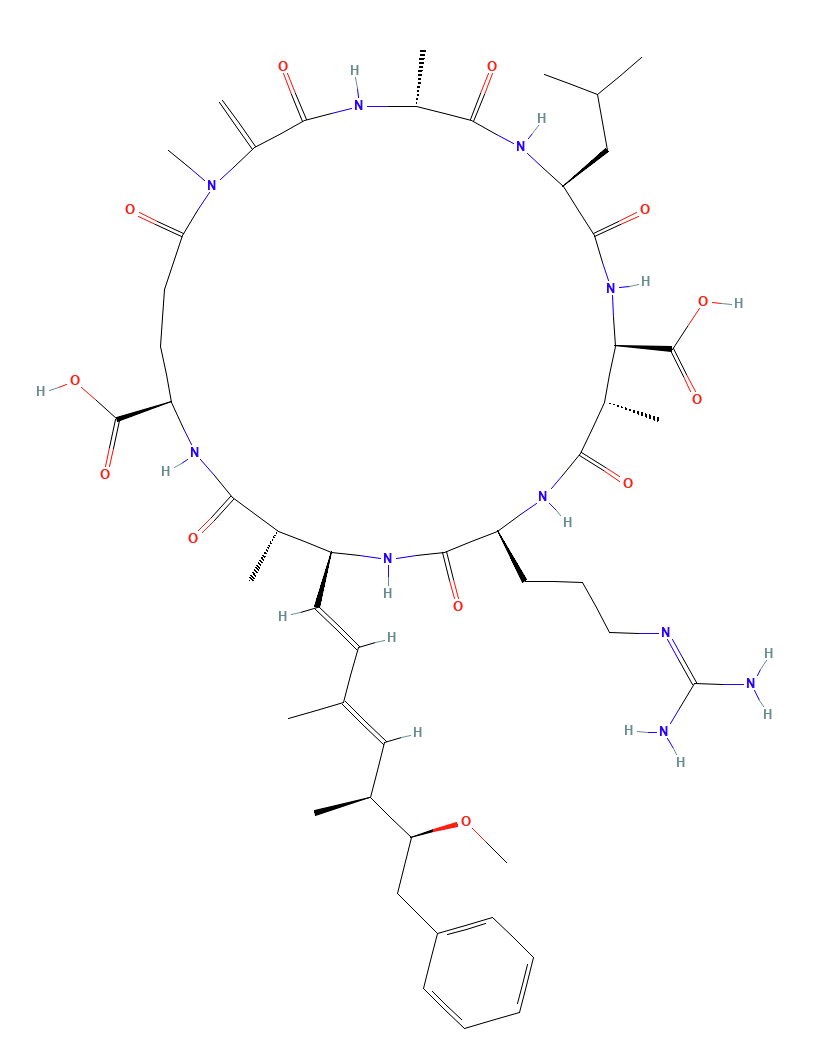
Microcystin-LR
Nodularin
Nodularin is a cyclic pentapeptide hepatotoxin produced primarily by Nodularia spumigena, but it has also been reported in other genera, including Nostoc and Iningainema. Structurally and toxicologically similar to microcystins, nodularin is commonly associated with brackish and estuarine systems but may also occur in inland saline waters.
Saxitoxin
Saxitoxins are neurotoxins belonging to the paralytic shellfish toxin (PST) family, which includes saxitoxin, neosaxitoxin, Ctoxins and gonyautoxins. They can be produced by both cyanobacteria and marine dinoflagellates. In Australia, saxitoxin production has been linked primarily to Dolichospermum circinale with blooms typically dominated by C1-C4 saxitoxin congeners.
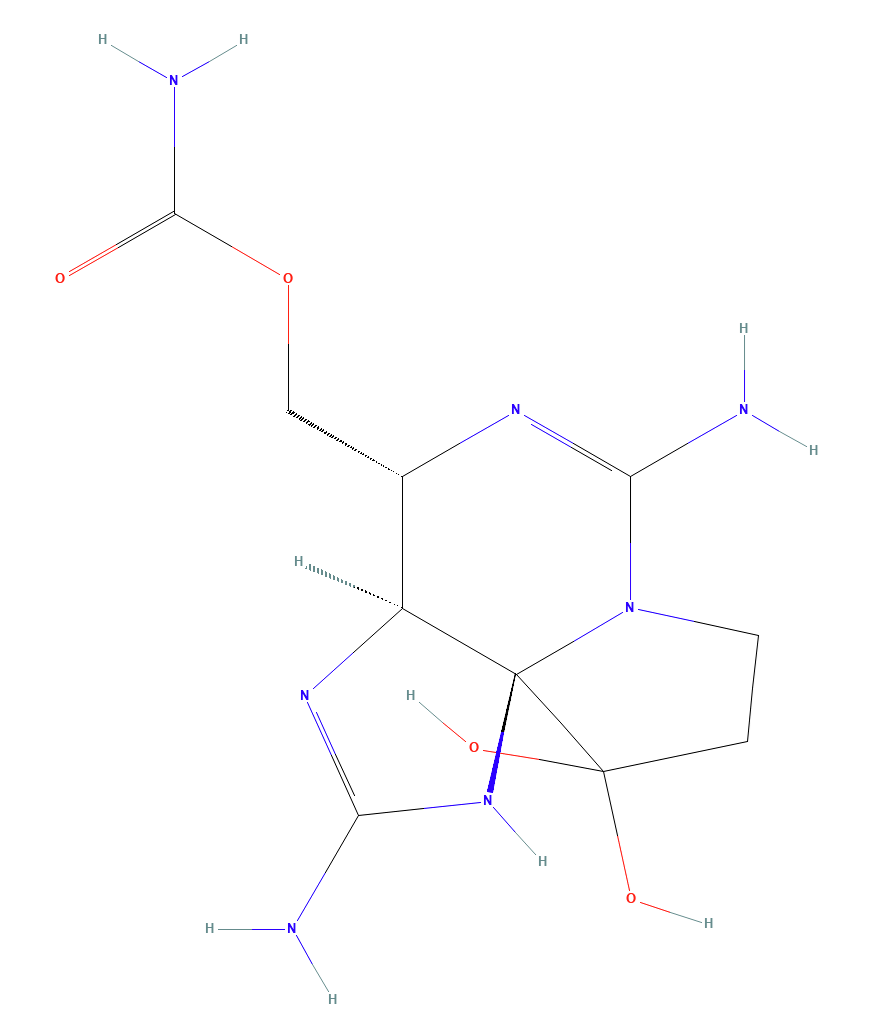
Saxitoxin
Anatoxins
Anatoxins are fast‑acting neurotoxins with several analogues, including anatoxin‑a and anatoxin‑a(s), produced by multiple cyanobacterial genera such as Anabaena flos‑aquae. They are associated with acute neurotoxicity following ingestion.
Regulatory context
Management of phytoplankton and algal toxins in drinking water is guided by the Australian Drinking Water Guidelines (ADWG), which adopt a preventive, risk-based framework rather than relying solely on fixed numeric compliance limits (NHMRC 2011, updated 2022-2025). The ADWG emphasise early detection, a graduated response and verification monitoring, integrating source-water surveillance, treatment optimisation and targeted analytical testing to manage potential human-health risks associated with algal blooms. The framework is implemented nationally through State and Territory drinking water legislation, with individual jurisdictions applying the ADWG through their own regulatory and operational arrangements.
Under the current Guidelines, a health-based guideline value of 1.3 µg/L (expressed as microcystin-LR toxicity equivalents) is specified for total microcystins in drinking water. For other algal toxins, including cylindrospermopsin, nodularin, saxitoxins and anatoxins, definitive guideline values are not specified due to limitations in available toxicological data. Instead, the ADWG apply an Alert Levels Framework, using cell counts or biovolume as early indicators, with direct toxin analysis required to confirm risk and inform management actions (NHMRC 2011, updated 2022-2025).
The guidelines explicitly note that cell enumeration alone is insufficient to assess human-health risk, and that quantitative toxin measurements are essential to distinguish the presence of potentially toxigenic species from the actual occurrence of extracellular or bioavailable toxins. This accommodates the highly variable, site-specific nature of bloom dynamics and toxin production.
Within this regulatory context, quantitative LC‑MS/MS analysis of algal toxins plays a critical role in confirming toxin presence and concentrations relevant to risk assessment, supporting operational decision‑making and demonstrating due diligence.
Analytical approach
Quantitative algal toxin analysis typically follows the identification of potentially toxigenic taxa through routine monitoring, including phytoplankton identification and enumeration by microscopy, and detection of algal toxin genes by qPCR, both of which are services offered by ALS.
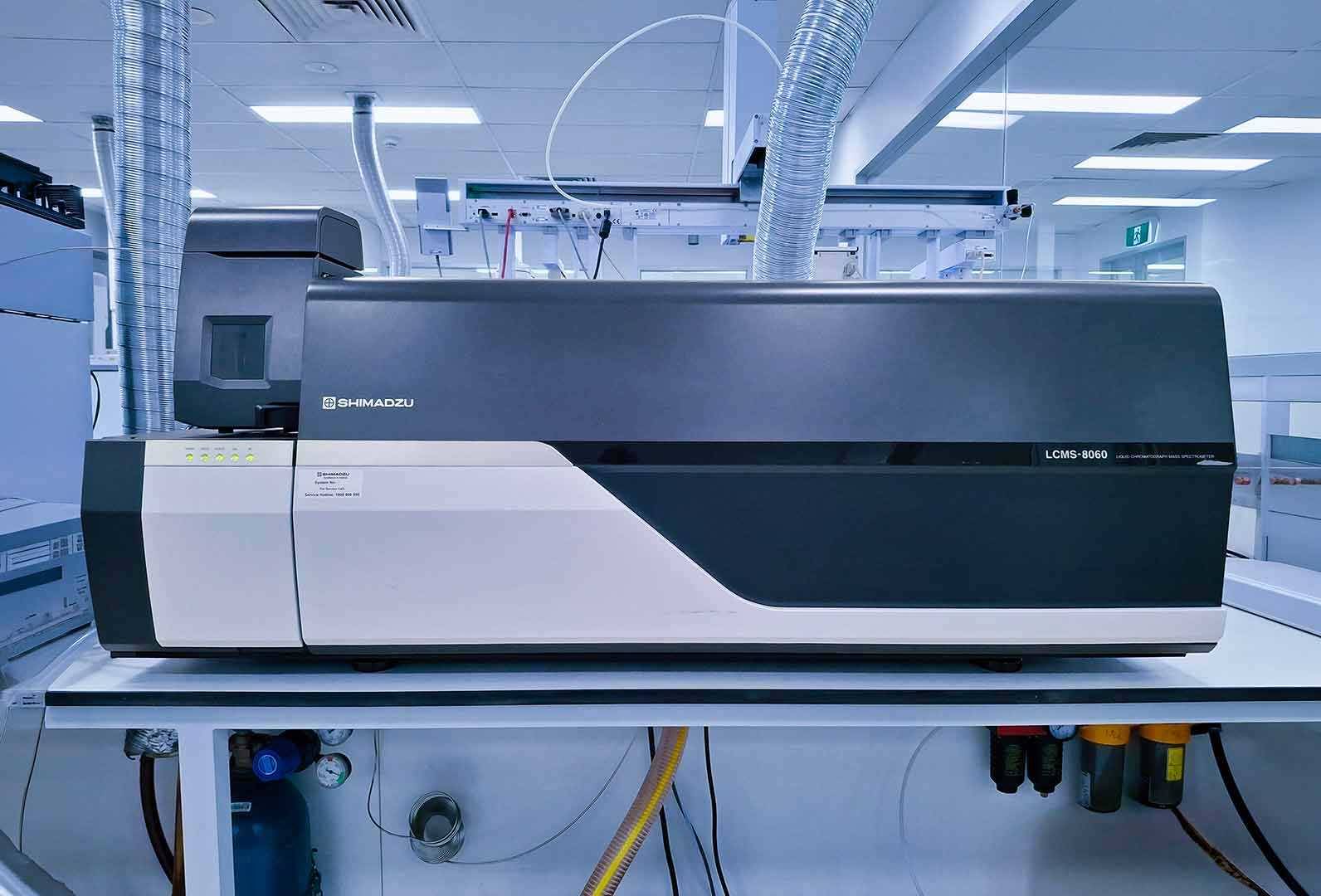
Quantitative algal toxin analysis is performed by LC-MS/MS with electrospray ionisation, delivering reporting limits substantially below guideline and indicative health alert values. This provides sensitive detection and robust quantification to support water management, bloom response and risk-based decision-making.
Method specifications
ALS provides NATA-accredited quantitative algal toxin analysis for a suite of toxins, including cylindrospermopsin and its analogue deoxycylindrospermopsin, anatoxin, microcystin analogues, saxitoxin analogues and nodularin (table 1).
Table 1. Details of algal toxin analysis method
| Compound | Method code | Analysis name | CAS number | Limit of reporting (μg/L) |
| Cylindrospermopsin (CYN) Total‡, Deoxycylindrospermopsin (deoxyCYN) Total‡ |
WP248 EP248 |
W-ALG-CYNL | 143545-90-8
344941-42-0 |
0.05 |
|
Cylindrospermopsin (CYN) Intra- and extra-cellular†*, |
WP248
EP248 |
W-ALG-CYNL-EXT-INT | 143545-90-8
344941-42-0 |
0.05 |
| Anatoxin-a | WP248
EP248 |
W-ALG-ANA | 64285-06-9 | 0.1 |
| Microcystins, MC-LR, MC-YR, MC-RR, Total‡ | WP249 EP248 |
W-MCYSTINL | 101043-37-2
101064-48-6 111755-37-4 |
0.2 |
| Microcystins, MC-LR, MC-YR, MC-RR, Intra- and extra-cellular†* | WP249
EP248 |
W-MCYSTINL-EXT-INT | 101043-37-2
101064-48-6 111755-37-4 |
0.2 |
| Nodularin | WP249 EP248 |
W-ALG-NODL | 118399-22-7 | 0.2 |
| Saxitoxin | WP263 EP263 |
W-ALG-SAX | 35523-89-8 | 0.5 |
| Saxitoxin analogues | WP263 EP263 |
W-ALG-SAX | Not applicable | 0.3-1.9
0.5 |
* Extracellular toxins are measured in the filtrate. † Intracellular toxins are released following cell lysis. ‡ Total includes both intra- and extra-cellular toxins.
Sampling and holding time requirements
Samples must be collected using the appropriate containers and stored under the specified conditions (table 2).
| Parameter | Requirement |
| Bottle type | 100 mL amber glass |
| Preservative | Sodium thiosulfate (chlorinated supplies only) |
| Storage | Cool to approximately 4°C immediately after sampling |
| Maximum holding time | 30 days |
References
Chorus I and Welker M (2021) Toxic Cyanobacteria in Water: A Guide to Their Public Health Consequences, Monitoring and Management. 2nd edn. CRC Press, Boca Raton. doi:10.1201/9781003081449Chiswell RK, Shaw GR, Eaglesham G, Smith MJ, Norris RL, Seawright AA and Moore MR (1999) Stability of cylindrospermopsin, the toxin from the cyanobacterium Cylindrospermopsis raciborskii: Effect of pH, temperature and sunlight on decomposition. Environ. Toxicol. 14(1), 155-161. doi:10.1002/(SICI)1522-7278(199902)14:1<155::AID-TOX20>3.0.CO;2-Z
Etheridge SM (2010) Paralytic shellfish poisoning algae and associated toxins. Coast. Estuar. Stud. 63, 69-97. doi:10.1029/CE063p0069
Huisman J, Codd GA, Paerl HW, Ibelings BW, Verspagen JMH and Visser PM (2018) Cyanobacterial blooms. Nat. Rev. Microbiol. 16(8), 471–483. doi:10.1038/s41579-018-0040-1
National Health and Medical Research Council (2011, updated 2022-2025). Australian Drinking Water Guidelines. National Health and Medical Research Council, Canberra.
Papadimitriou T, Kagalou I, Stalikas C, Pilidis G and Leonardos ID (2012) Assessment of microcystin distribution and biomagnification in tissues of aquatic food‑web compartments from a shallow lake and evaluation of potential risks to public health. Ecotoxicology 21(4), 1155-1166. doi:10.1007/s10646-012-0870-y.